Introduction
You know that feeling when you walk into someone's house and you can immediately tell they have a dog? Or they cook a lot of fish? Or their teenager's bedroom is... well, you know.
The worst part is that you probably don't notice your own house's smells. You get used to them. But your guests do.
The good news is that you don't need a dozen plug-in air fresheners or scented candles (those just cover up smells, often with worse chemicals). The best approach is to find the source, eliminate it, and then freshen the air naturally.
Step 1: Find the Source
Before you do anything, figure out where the smell is coming from. Common culprits:
- Kitchen: garbage disposal, trash can, sponges, old food in the fridge
- Bathroom: mold in the shower, toilet, damp towels
- Laundry: wet clothes left in the washer, mildew in the washing machine
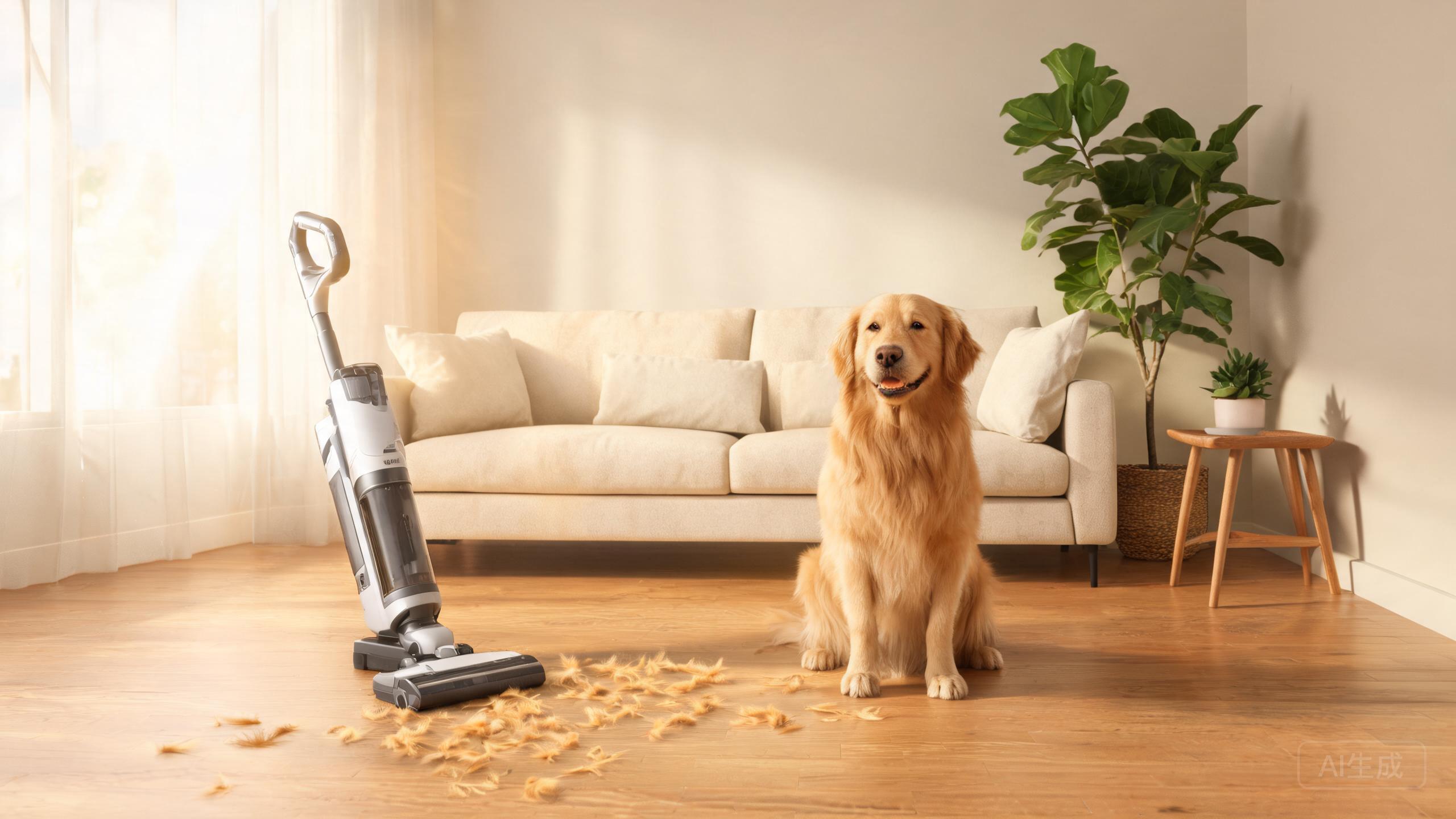
- Pets: pet beds, litter boxes, accidents you didn't find
- Hidden areas: mold under the sink, dead bugs in light fixtures, old carpet
- HVAC: dirty air filters, mold in the ducts
Walk through your house with your nose close to the walls and floors. Sometimes the source is obvious — sometimes it's a surprise. (I once found a rotten potato behind the toaster. Don't ask.)
Step 2: Eliminate the Source
Kitchen Odors
- Garbage disposal: Grind up lemon peels or baking soda, then flush with hot water
- Trash can: Wash it with soap and water weekly. Sprinkle baking soda in the bottom.
- Sponges: Replace them every 2-4 weeks, or sanitize by microwaving (wet) for 1 minute
- Fridge: Toss expired food, wipe shelves with a baking soda solution, keep an open box of baking soda inside
Bathroom Odors
- Shower mold: Spray with vinegar or a mold remover. Run the exhaust fan during and after showers.
- Toilet: Clean regularly. Consider a toilet bowl cleaner that hangs in the bowl.
- Towels: Don't let damp towels sit on the floor. Hang them up to dry. Wash weekly.
Pet Odors
- Pet beds: Wash them every 1-2 weeks. Use an enzymatic cleaner for accidents.
- Litter boxes: Scoop daily, change completely weekly, wash the box monthly.
- Carpet and upholstery: Sprinkle baking soda, let sit 15 minutes, then vacuum.
- Air: Groom pets regularly — dander is a big contributor to pet smell.
Musty / Moldy Smells
- Fix moisture first: Check for leaks, improve ventilation, use a dehumidifier
- Kill mold: Use vinegar, hydrogen peroxide, or a commercial mold remover
- Replace what you can't clean: moldy drywall, carpet, or ceiling tiles need to go
Step 3: Freshen the Air
Once you've eliminated the source, use these methods to keep the air fresh:
What Actually Works
Air Purifiers with HEPA Filters A good air purifier removes dust, pet dander, and other particles that contribute to odors. Look for one with a HEPA filter and a carbon filter for best results. Place it in the room that smells the worst and run it on high for a few hours.
Houseplants Plants don't just look nice — they actually help clean the air. Snake plants, pothos, and peace lilies are all great at filtering indoor air pollutants. Plus, they add oxygen and humidity.
Baking Soda The classic. Open boxes of baking soda in the fridge, freezer, and even in closets absorb odors naturally. Replace every 1-3 months.
Ventilation The simplest and most effective method. Open your windows for 10-15 minutes a day to let fresh air in and stale air out. Even in winter, a quick air-out makes a big difference.
Essential Oil Diffuser If you want a nice scent, a diffuser with essential oils is better than chemical air fresheners. Just don't overdo it — a few drops is enough. Note: some essential oils are toxic to pets, so do your research if you have cats or dogs.
What Doesn't Work (or Barely Works)
- Plug-in air fresheners: Just mask smells with chemicals. Some studies suggest they release harmful VOCs.
- Scented candles: Same problem — they cover up smells, not eliminate them. And they add soot to the air.
- Febreze and fabric sprays: They work temporarily by trapping odor molecules, but the effect doesn't last.
- Odor-neutralizing sprays: Better than air fresheners, but still a temporary fix.
Room-by-Room Quick Fixes
Kitchen
- Simmer a pot of water with lemon slices, cinnamon sticks, and cloves
- Keep a small dish of coffee grounds on the counter (absorbs odors)
- Run the exhaust fan while cooking
Bathroom
- Keep the exhaust fan running for 20 minutes after showering
- Use a squeegee on shower walls after every use (prevents mold)
- Add a few drops of essential oil to the inside of the toilet paper roll
Bedroom
- Wash sheets weekly in hot water
- Air out the comforter and pillows when you change the sheets
- Open the window for a few minutes every morning
Living Room
- Vacuum upholstered furniture regularly
- Sprinkle carpets with baking soda before vacuuming
- Have a "no shoes" rule (tracked-in dirt is a major odor source)
Final Thoughts
The key takeaway: find the source and eliminate it. Air fresheners are like putting a band-aid on an infection — they don't fix the problem, they just cover it up.
Start with the simplest fixes: open your windows, clean your garbage disposal, wash your pet's bed. You'll be surprised what a difference those three things make.
And hey — don't stress too much about it. Every house has its own smell. The goal isn't to have a house that smells like nothing — it's to have a house that smells like home, minus the unpleasant stuff.